Lithium polymer batteries are widely used in drones, robots, and many portable devices. They are lightweight and powerful, but they also need proper protection to work safely.
This is why a BMS (Battery Management System) is important. A BMS helps protect the battery from overcharging, over-discharging, and other risks. In this article, we will look at how to choose the right BMS for LiPo battery.
What Is a BMS?
A BMS is an electronic system that monitors and protects a battery pack. It manages key parameters such as voltage, current, and temperature to keep the battery operating within a safe range.
For LiPo batteries, a BMS plays an important role in preventing problems like overcharging, over-discharging, short circuits, and overheating. By controlling and protecting the battery cells, the BMS helps improve safety, performance, and battery lifespan.
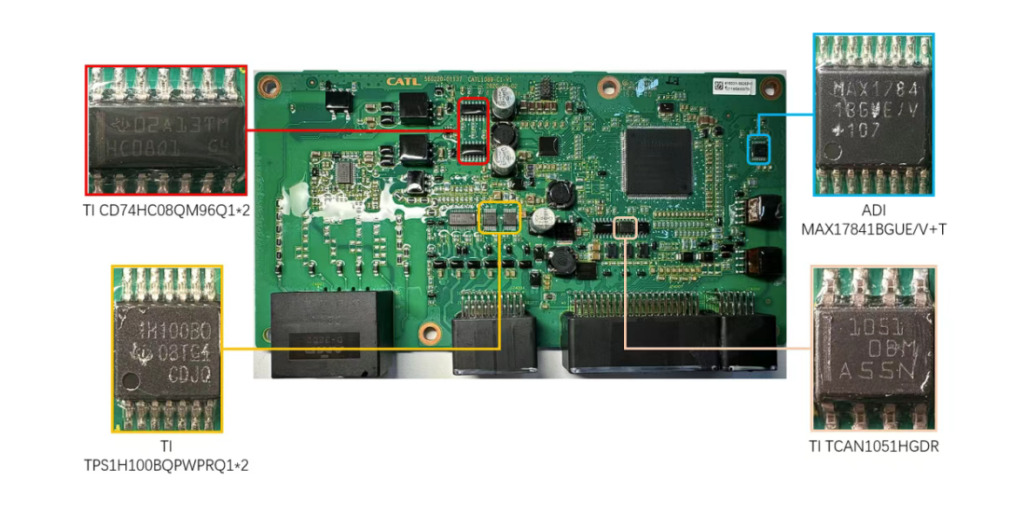
Why Do LiPo Batteries Need a BMS?
LiPo batteries are powerful and lightweight, but they are also sensitive to improper use. Without proper protection, problems like overcharging or overheating can damage the battery or reduce its lifespan. This is why a BMS for LiPo battery packs is important.
A BMS provides several key protection functions:
- Overcharge protection – prevents the battery from charging beyond its safe voltage limit.
- Over-discharge protection – stops the battery from discharging too deeply, which can permanently damage the cells.
- Short circuit protection – quickly cuts off the current if a short circuit occurs.
- Temperature monitoring – monitors battery temperature and helps prevent overheating.
With these protections, a BMS helps ensure that LiPo batteries operate safely, efficiently, and reliably in different devices.
BMS vs Protection Circuit (PCM/PCB)
Many people confuse a BMS with a protection circuit, but they are not exactly the same.
A protection circuit—often called PCM (Protection Circuit Module) or PCB (Protection Circuit Board)—is designed mainly for basic safety. Its job is to protect the battery from common risks such as overcharge, over-discharge, and short circuits. These circuits are usually simple and are often used in single-cell LiPo batteries.
A BMS (Battery Management System) is more advanced. In addition to basic protection, it can monitor multiple cells, manage charging and discharging, balance cell voltage, and track battery status. BMS systems are typically used in multi-cell LiPo battery packs where more precise control and safety management are required.
In simple terms, a PCM/PCB provides basic protection, while a BMS offers more complete battery monitoring and management.
Key Parameters to Consider When Choosing a LiPo BMS
When selecting a BMS for LiPo battery packs, several technical parameters should be considered to ensure safe and reliable operation.
Temperature Sensors – Some BMS systems include temperature monitoring to detect overheating during charging or discharging, helping prevent damage and improving safety.
Voltage Range – The BMS must match the voltage of the battery pack. For example, a 3S or 4S LiPo battery requires a BMS designed for the correct number of cells and voltage range.
Current Rating – The BMS should support the maximum charge and discharge current required by the device. Choosing a BMS with insufficient current capacity can cause overheating or limit performance.
Cell Balancing – In multi-cell battery packs, cell balancing helps keep the voltage of each cell consistent. This improves battery performance and helps extend the overall lifespan of the pack.
Common Applications of LiPo Batteries with BMS
A BMS for LiPo battery packs is widely used in many modern electronic devices where safety and stable performance are important.
Medical devices – Many portable medical devices rely on LiPo batteries. A BMS provides important protection and monitoring to support safe and stable use.
Drone battery packs – Drones require high power and stable output. A BMS helps protect the battery and ensures reliable performance during flight.
Robotics battery systems – Robots often run for long periods and need consistent power. A BMS monitors the battery and prevents issues like over-discharge.
Wearable devices – Devices such as smart helmets, smart glasses, and other wearables use compact LiPo batteries. A BMS helps ensure safe operation in small battery systems.
Custom LiPo Battery Packs with Integrated BMS
Many modern devices require more than just standard batteries. OEM products often need custom lithium battery packs that combine LiPo cells with a carefully designed BMS to ensure safety, stable performance, and compatibility with the device.
By integrating the right BMS solution, manufacturers can optimize charging and discharging performance, improve battery lifespan, and add important protection functions such as temperature monitoring and cell balancing.
At BluePower, we specialize in custom LiPo battery with integrated BMS solutions. Our team works with customers to design battery systems that match the specific voltage, capacity, size, and performance requirements of their products, helping ensure reliable power for applications such as drones, robotics, wearable electronics, and medical devices.
Email: [email protected]
Whatsapp: +86 18938252128
