The three-day CIBF 2026 Shenzhen International Battery Exhibition has officially come to an end. As the world’s largest and most influential event in the lithium battery industry, the show attracted over 3,000 companies from across the supply chain and hundreds of thousands of professional visitors.
The exhibition focused on key areas such as battery materials, manufacturing processes, battery systems, and energy storage solutions, giving a clear view of current industry trends. After years of rapid expansion and intense price competition, the lithium battery industry is now entering a new stage. The focus is shifting toward technology innovation, specialized applications, and higher safety and quality standards.
At the same time, several battery technologies—including lithium iron phosphate (LFP), sodium-ion batteries, and solid-state and semi-solid batteries—have made steady progress. Many new technologies are moving faster from research to real-world, large-scale use.
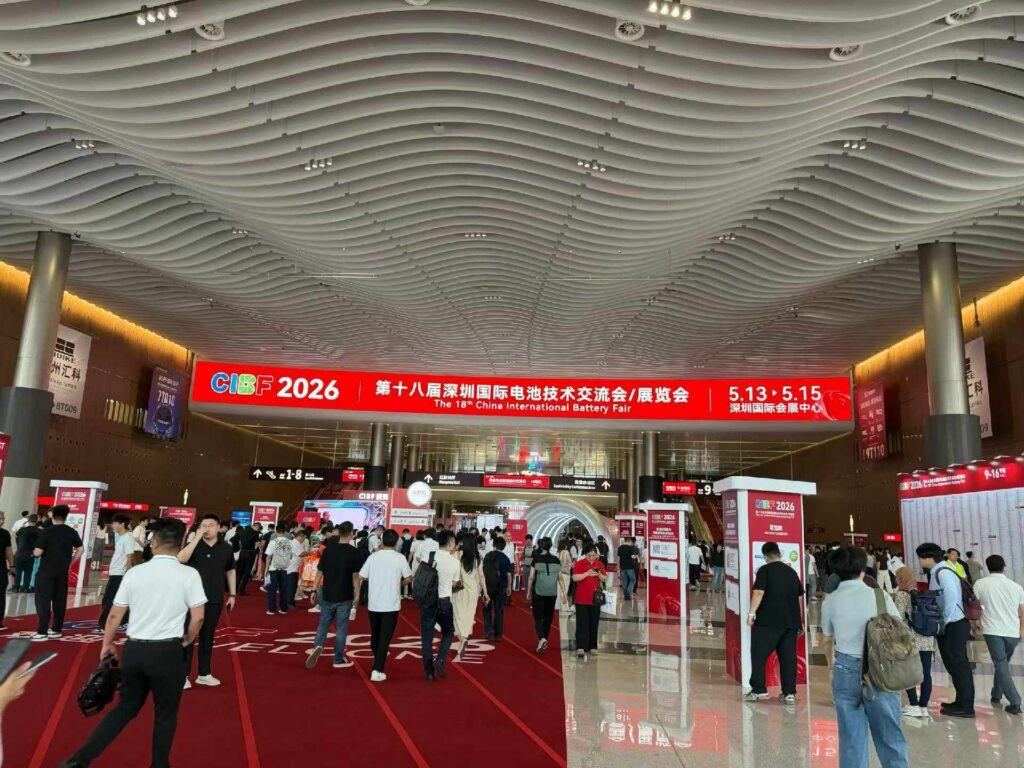
1. CIBF 2026 Exhibition Overview: Industry Competition Shifts Toward Technology Value
This year’s exhibition reached a new record in scale, with leading companies from both upstream and downstream sectors taking part. The exhibits covered every stage of the lithium battery value chain. Based on on-site displays, product strategies, and industry discussions, two major changes are clearly shaping the industry and reshaping the competitive landscape.
A Fundamental Shift in Market Competition
The industry is moving away from blind capacity expansion and price-driven competition. Production scale is no longer the main measure of success. Instead, key performance factors such as energy density, fast-charging efficiency, cycle life, low-temperature performance, total lifecycle cost, and safety have become the core indicators of product strength.
Companies with strong in-house technology, stable supply chains, and the ability to adapt products to real application scenarios are building solid and hard-to-copy competitive advantages.
A Stable Multi-Technology Development Structure
The lithium battery industry has formed a clear technology structure. Lithium iron phosphate (LFP) batteries continue to secure the main market, sodium-ion batteries are quickly entering specific application areas, and solid-state batteries are being steadily developed as a long-term strategic direction.
These technologies are not replacing each other. Instead, they serve different use cases and work together to form a multi-level, wide-coverage lithium battery ecosystem.
Supported by China’s complete industrial infrastructure, collaboration across the lithium battery supply chain continues to strengthen. Upstream materials, midstream cell manufacturing, and downstream electric vehicles and large-scale energy storage systems are closely connected. Technology validation, product testing, and mass production now form a complete and efficient loop.
As a result, China’s capabilities in independent R&D and advanced manufacturing are steadily improving, helping the industry maintain a leading position in global competition.
2. Key Lithium Battery Technology Highlights at the Exhibition
2.1 Lithium Iron Phosphate (LFP) Continues to Advance and Remains the Market Mainstay
Despite the rise of new battery technologies, lithium iron phosphate (LFP) batteries remain the most widely used solution in power batteries and large-scale energy storage. This is mainly due to their high safety, long cycle life, and well-controlled costs. At this year’s exhibition, LFP technology showed strong innovation in three main areas: material improvement, cell structure design, and large-capacity energy storage products. These advances continue to push performance limits and strengthen market competitiveness.
More refined material processing
Many material suppliers showcased improvements such as carbon coating, particle structure redesign, and crystal structure optimization. These methods help increase material density and improve lithium-ion movement. Several new high-density LFP materials were introduced, allowing higher energy density without increasing cell size or reducing lifespan, while still keeping costs and operating stability under control. These products are well suited for mainstream passenger vehicles.
Ongoing innovation in cell and pack structure
Blade batteries, large cylindrical cells, and CTP (cell-to-pack) designs have gone through multiple upgrades. By reducing unnecessary internal structures and making better use of space, overall battery system range has improved significantly. This allows LFP batteries to move into mid- and high-end long-range vehicles, breaking their past limitation to low-end transportation markets.
Mass production of ultra-large energy storage cells
Many large-format energy storage cells with capacities of several hundred ampere-hours were displayed. These products commonly achieve over 10,000 charge cycles. Designed for long-duration energy storage stations, commercial and industrial storage, grid load balancing, and power supply in remote areas, they offer much higher reliability in real-world operation and are becoming a key foundation for large-scale energy storage growth.
Overall, LFP batteries cover a wide range of applications and have very mature mass-production capabilities. In the short to medium term, they will continue to be the industry’s backbone, holding strong positions in passenger vehicles, commercial vehicles, and large energy storage systems.
2.2 Sodium-Ion Batteries Accelerate Commercial Use Across Targeted Applications
This exhibition marked a major turning point for sodium-ion batteries. The technology has moved beyond concept displays and sample demonstrations and has officially entered the first year of large-scale mass production. Production-ready cells, vehicle solutions, and complete energy storage systems were all presented, showing commercialization progress far faster than expected.
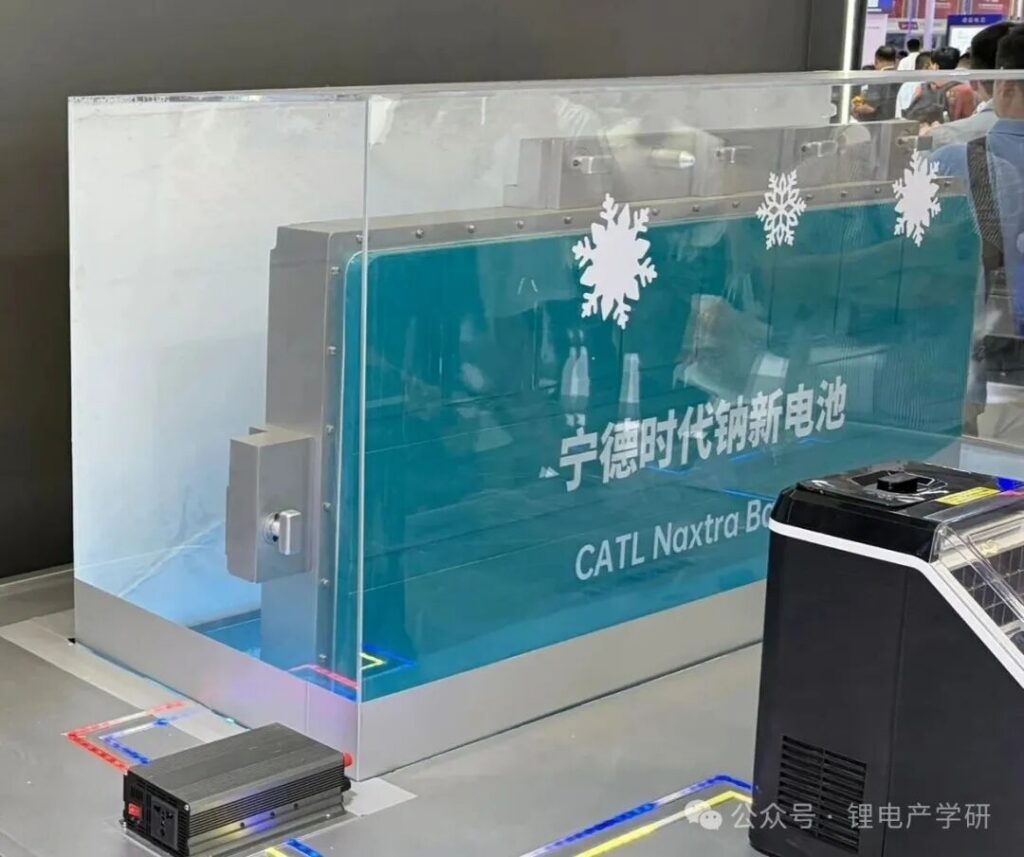
The rapid growth of sodium-ion batteries is driven by several clear advantages:
Strong cost and supply chain benefits
Sodium is widely available worldwide and easy to obtain, with no supply risks like lithium or cobalt. As production scales up, sodium-ion battery costs are approaching those of LFP batteries, offering strong price competitiveness.
Excellent performance in extreme environments
Sodium-ion batteries can operate reliably from -40°C to 60°C. They perform well in very cold or very hot conditions, with much less range loss in cold regions. This also makes them suitable for outdoor energy storage equipment.
Clear and focused application positioning
These batteries are mainly used in short-range electric vehicles, hybrid systems, low-speed commercial vehicles, backup power for communication base stations, and small home energy storage systems. They effectively fill gaps where traditional lithium batteries are less suitable, creating strong differentiated advantages.
At present, leading battery manufacturers in China are bringing sodium-ion production lines online, and supporting supply chains for materials, separators, and electrolytes are becoming more complete. Within this year, multiple sodium-ion vehicles and energy storage projects are expected to be delivered in batches, making sodium-ion batteries one of the fastest-growing new tracks in the battery industry.
2.3 Solid-State and Semi-Solid Batteries Make Breakthroughs as Next-Generation Solutions Enter Validation Stage
Solid-state batteries are widely seen as the ultimate direction for lithium battery development. At this exhibition, solid–liquid hybrid technologies achieved important breakthroughs. Semi-solid batteries are moving into industrial production, while all-solid-state batteries are steadily progressing through pilot testing. Clear timelines are now in place, marking the beginning of the next battery upgrade cycle.
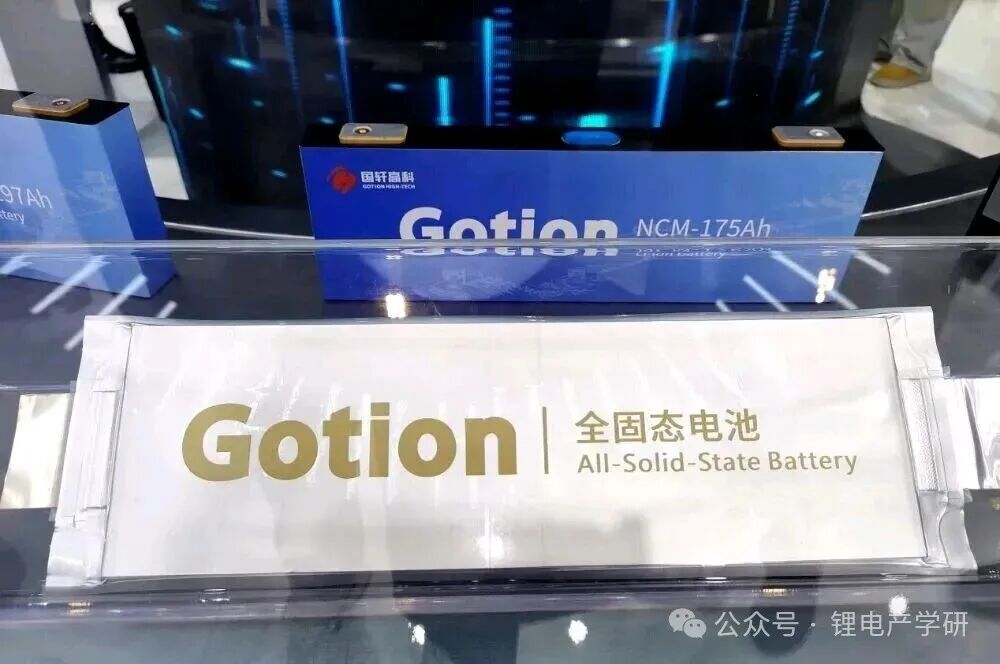
Semi-solid batteries enter mass production first
The biggest advantage of semi-solid batteries is strong compatibility with existing lithium battery production lines. With only minor equipment upgrades, manufacturers can begin production without heavy investment in new factories. These batteries offer noticeably higher energy density than traditional lithium batteries, along with improved thermal safety and overall reliability. They are well suited for high-end, long-range electric vehicles and serve as an ideal transition between liquid lithium batteries and fully solid-state batteries.
All-solid-state batteries steadily move forward
Leading companies displayed all-solid-state battery samples with strong real-world performance, including very high energy density, greatly reduced fire risk at a physical level, and ultra-fast charging—up to 80% in about 10 minutes. At the same time, solid electrolytes, new electrode materials, and advanced packaging components are becoming more mature, while production processes continue to improve.
Most industry leaders now agree that small-scale vehicle use of all-solid-state batteries could begin around 2027. In the long term, the market potential for this technology is very large.
3. Mid- to Long-Term Development Trends of the Lithium Battery Industry
Based on the technologies shown at the exhibition, company R&D strategies, and industry expert views, the overall direction of the lithium battery industry over the next three to five years is becoming clear. Technology, products, and industry structure are all moving toward full-scale upgrades.
3.1 Different Technologies for Different Applications
Each battery technology is focusing on the application areas that best match its strengths, and market segmentation is becoming more refined:
- Lithium iron phosphate (LFP): Focused on mass-market passenger vehicles, large energy storage stations, and commercial transport vehicles, securing the core consumer market.
- Sodium-ion batteries: Targeting cold-climate vehicles, short-distance transportation, and small to mid-size energy storage systems, expanding into cost-sensitive and specialized markets.
- Ternary lithium batteries combined with semi-solid technology: Serving high-end long-range passenger cars and high-performance hybrid vehicles, meeting premium mobility needs.
- All-solid-state batteries: Planned for future use in aviation mobility, advanced smart equipment, and special-purpose vehicles with very high performance requirements.
3.2 Fast Charging and Safety Improve Together to Enhance User Experience
As 800V high-voltage fast-charging vehicle platforms become more common, fast-charging technology is entering a wide adoption phase. Through improvements in materials, multi-tab cell designs, and smart thermal management systems, charging from 10% to 80% in about 10 minutes is expected to become a standard feature in many mainstream vehicles. This will greatly reduce charging anxiety for users.
At the same time, battery safety concepts are being upgraded from passive protection after an incident to active prevention throughout the entire lifecycle:
- Material-level improvements enhance heat resistance and reduce the risk of thermal runaway at the source.
- Structural design upgrades add insulation, faster heat dissipation, and heat-blocking features to prevent chain reactions.
- Intelligent BMS systems collect real-time data, assess risks, provide early warnings, and activate protection measures in advance.
3.3 Stronger Industry-Wide Collaboration and Growing Domestic Capabilities
Upstream materials such as cathodes, anodes, electrolytes, and separators are evolving alongside cell technologies to better support downstream product upgrades. Battery manufacturing equipment is moving toward higher automation, greater precision, and lower energy use, improving yield rates while steadily reducing production costs.
Chinese lithium battery companies are shifting their development strategy from focusing only on cell manufacturing to building integrated capabilities across materials, cells, battery systems, and end-use applications. This strengthens supply chain resilience and core technology reserves, further improving the global competitiveness and influence of domestic lithium battery solutions.
4. Exhibition Summary
CIBF 2026 fully demonstrated the new development stage of the lithium battery industry. After a period dominated by capacity expansion, the industry has now entered a new phase driven by technological innovation, multiple coexisting technology paths, and steady progress toward mass production.
LFP batteries continue to form a strong foundation with mature technology, sodium-ion batteries open new growth opportunities, and solid-state and semi-solid batteries define the future direction of the industry. Each technology has its own strengths and develops in parallel.
As manufacturing processes become more advanced, costs continue to decline, and safety systems improve, lithium batteries will keep providing strong support for new energy vehicles, energy storage systems, and specialized equipment. With a complete and mature domestic supply chain, Chinese lithium battery technology is expected to continue innovating and play a leading role in shaping the future of the global battery industry.
