The hearing aid industry is going through a quiet but significant transformation. As populations age around the world, more people than ever are relying on hearing aids to stay connected to daily life. At the same time, these devices are becoming much more advanced. Modern hearing aids are no longer just simple sound amplifiers — they are getting smaller, smarter, and more connected. Features like AI sound processing, Bluetooth connectivity, and smartphone integration are quickly becoming standard.
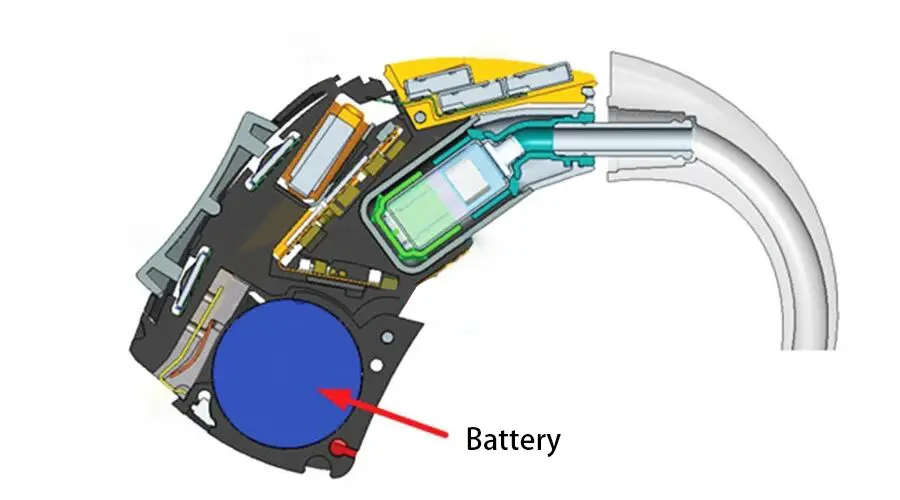
But as these technologies continue to evolve, one challenge keeps showing up again and again: power. As hearing aids get smaller and more capable, the battery often becomes the key factor that determines how well the device can actually perform in everyday use.
Common Types of Hearing Aid Batteries
Choosing the right hearing aid battery is essential for ensuring reliable performance, long operating time, and user convenience. Today’s hearing aids typically rely on two main battery technologies: zinc-air batteries and rechargeable lithium batteries. Each type has its own advantages and limitations depending on the device design and user needs.
Zinc-Air Hearing Aid Batteries
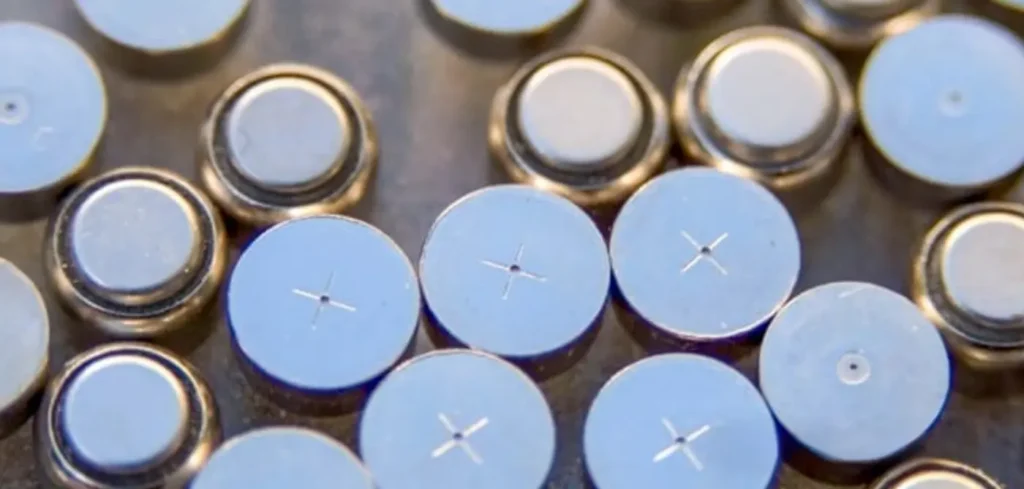
Zinc-air batteries have been the traditional power source for hearing aids for many years. They generate electricity through a chemical reaction between zinc and oxygen from the air. Because of their small size and stable output, they remain widely used in many hearing devices.
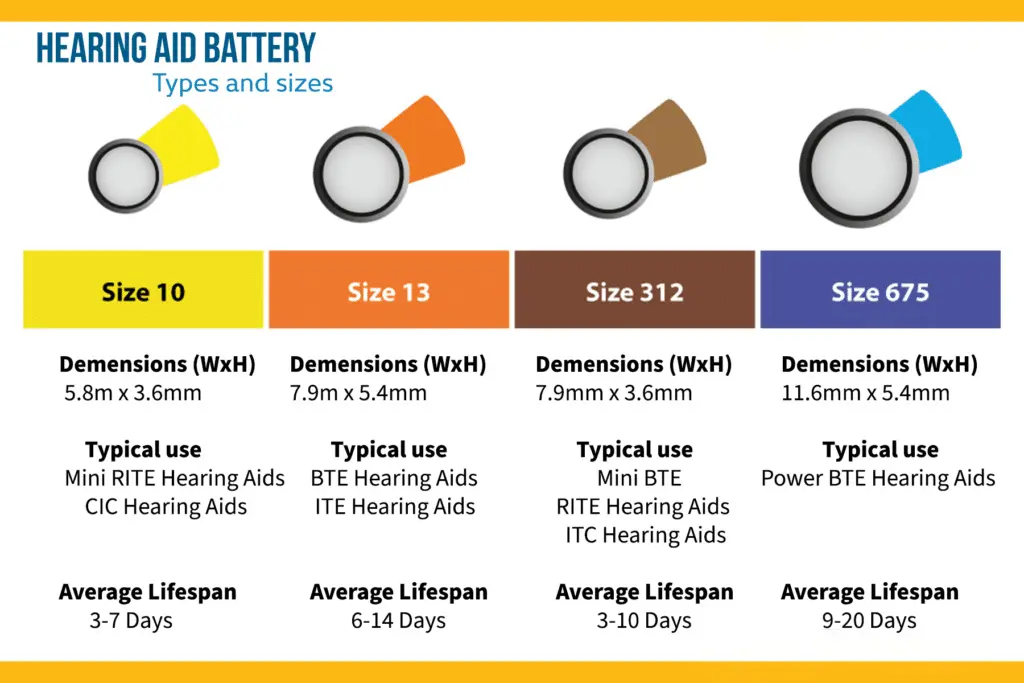
These batteries are commonly categorized by standard color-coded sizes, which make them easy for users to identify:
- A675 (Blue): Designed for high-power behind-the-ear (BTE) hearing aids, typically used by people with severe hearing loss who require stronger amplification.
- A312 (Brown): Commonly used in behind-the-ear (BTE) and in-the-ear (ITE) hearing aids, offering a balance between size and power.
- A13 (Orange): Suitable for behind-the-ear hearing aids and some in-the-ear models, providing moderate capacity and longer usage time.
- A10 (Yellow): Used in mini canal (ITC) and completely-in-canal (CIC) hearing aids, where extremely compact battery size is required.
Advantages of zinc-air hearing aid batteries
- Relatively low cost, making them widely accessible
- Small size, suitable for compact hearing aid designs
- Stable voltage output during most of the discharge cycle
Limitations
- Require frequent replacement, especially for users who wear hearing aids all day
- Once activated by air, the battery gradually drains even when not in use
- Disposable batteries may create environmental waste
Because of these limitations, many modern hearing aid manufacturers are gradually exploring alternative power solutions.
Rechargeable Lithium Hearing Aid Batteries
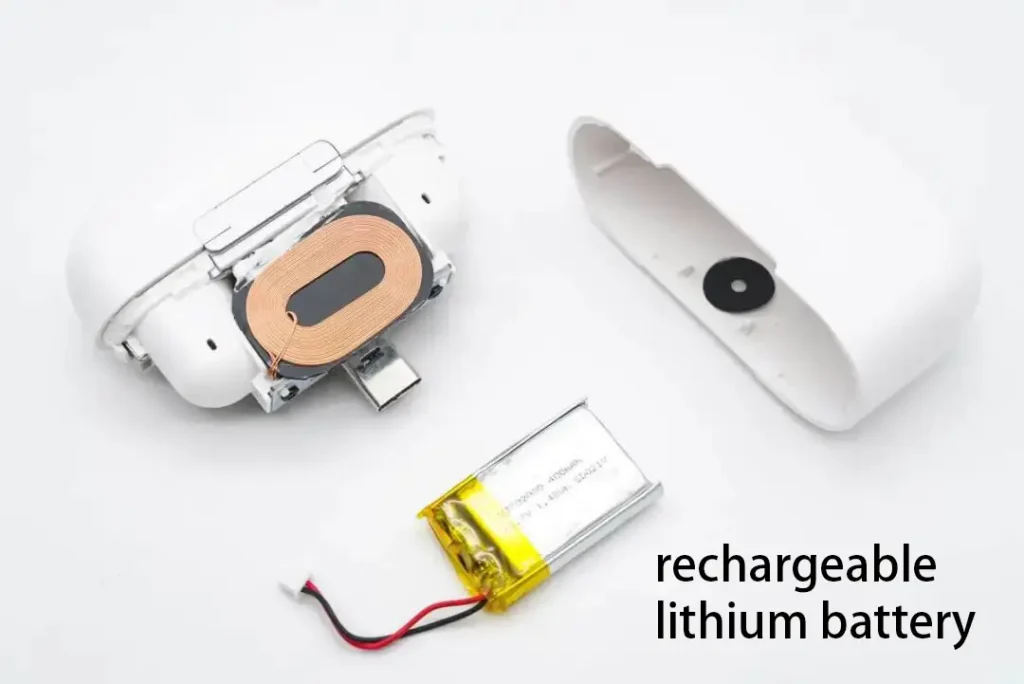
With the advancement of digital hearing technology, rechargeable hearing aid batteries based on lithium chemistry have become increasingly popular. These batteries are designed to support the growing power demands of modern hearing aids, which often include Bluetooth connectivity, wireless streaming, and advanced sound processing.
Advantages of rechargeable lithium hearing aid batteries
- Rechargeable design, eliminating the need for frequent battery replacement
- Long cycle life, allowing the battery to be recharged hundreds of times
- Better suited for smart hearing aids with wireless features and higher energy requirements
- More convenient for elderly users who may find replacing small batteries difficult
Rechargeable lithium batteries also enable manufacturers to design sleeker and more integrated hearing devices, as the charging system can be built directly into the hearing aid.
New Challenges for Modern Hearing Aid Batteries
As hearing aids become smaller and more advanced, the requirements for a hearing aid battery are increasing. Modern devices now include digital processing, wireless connectivity, and smart features, which place greater demands on battery performance.
1. Extremely Limited Space
Modern hearing aids are designed to be compact and discreet, especially models like ITC and CIC devices. This means the hearing aid battery must fit into an extremely small space while still providing enough power. Achieving the right balance between battery size and energy capacity is a major challenge for manufacturers.
2. Long Daily Operating Time
Most users wear their hearing aids for 12–18 hours per day. The battery must support continuous operation throughout the day without interruption. This requires efficient power management and high energy density, particularly for modern rechargeable hearing aid batteries.
3. Wireless Connectivity
Many modern hearing aids now include Bluetooth connectivity, smartphone apps, and advanced digital processing. These features improve the user experience but also increase power consumption, placing higher demands on the hearing aid battery.
4. Safety and Reliability
Because hearing aids are medical devices, their batteries must meet strict safety and reliability standards. A reliable hearing aid battery must operate safely for long periods and perform consistently under daily use conditions.
These challenges show why battery technology plays a critical role in modern hearing aid design, and why many manufacturers are exploring more advanced lithium and rechargeable battery solutions.
Benefits of Custom Lithium Polymer Batteries for Hearing Devices
As hearing aids become smaller and more advanced, many manufacturers are turning to custom lithium polymer batteries to meet their specific design requirements. Compared with standard battery solutions, custom battery packs offer greater flexibility in size, performance, and reliability.
Optimized Size and Shape
One of the main advantages of a custom lithium polymer battery is the ability to design the battery according to the device structure. Manufacturers can customize the size, thickness, and shape of the battery so it fits perfectly inside compact hearing aid designs. This helps maximize the available internal space without compromising performance.
Higher Energy Density
A well-designed lithium polymer battery can provide higher energy density than many traditional battery types. This allows hearing aids to deliver longer operating time while maintaining a small and lightweight form factor. For users who rely on their devices throughout the day, longer battery life significantly improves convenience and usability.
Flexible and Curved Battery Designs
Unlike rigid battery formats, lithium polymer batteries can be designed in ultra-thin or curved shapes. These flexible designs make it easier for manufacturers to integrate batteries into compact and ergonomically shaped hearing devices, especially as products become smaller and more comfortable to wear.
Improved Stability and Reliability
Custom battery design also allows manufacturers to optimize battery management, protection circuits, and charging performance. As a result, custom battery packs can offer more stable power output, longer cycle life, and improved safety—important factors for medical devices such as hearing aids.
Custom lithium polymer batteries allow manufacturers to maximize energy density while fitting perfectly into compact hearing aid designs, making them an increasingly popular solution for modern hearing devices.
Applications of Custom Batteries in Medical Wearable Devices
As wearable technology continues to advance, the demand for compact and reliable power sources is growing rapidly. Custom lithium batteries play an important role in supporting the performance and design of many modern medical and health-related devices.
Smart Hearing Devices
In addition to traditional hearing aids, smart hearing devices are becoming increasingly popular. These devices may include features such as Bluetooth streaming, smartphone integration, and intelligent sound adjustment. To support these functions, manufacturers often rely on custom battery packs that provide stable power while fitting into extremely small device structures.
Medical Wearables
A wide range of medical wearables now rely on compact battery solutions. Devices such as wearable therapy systems, smart patches, and portable medical monitors require lightweight batteries with high energy density. Custom lithium polymer batteries allow manufacturers to design batteries that match the shape and size of these wearable devices.
Health Monitoring Devices
Health monitoring devices, including heart rate monitors, sleep trackers, and other wearable health technologies, also benefit from customized battery solutions. A well-designed lithium polymer battery can provide longer operating time, improved safety, and better integration with the device design.
As medical wearable technology continues to evolve, custom lithium battery solutions will remain essential for enabling smaller, smarter, and more reliable devices.
Conclusion
As hearing aids and other medical wearables become smaller and more advanced, the hearing aid battery plays a crucial role in device performance. While traditional batteries are still widely used, many manufacturers are moving toward rechargeable lithium and custom lithium polymer batteries to achieve longer operating time, compact designs, and more stable performance.
For companies developing hearing aids, smart hearing devices, and other wearable technologies, custom battery solutions can help optimize both device design and user experience.
Bluepower focuses on providing custom lithium battery solutions for compact electronic and medical devices. If you are looking for a reliable battery partner for your project, feel free to contact us to learn more about our custom battery capabilities.
Email: [email protected]
Whatsapp: +86 18938252128
