A practical guide for engineers, designers, and product teams exploring circular battery solutions
Introduction: Why Round Batteries Still Matter in Modern Design
If you’ve ever worked on a compact electronic product, you’ve likely faced this problem:
Your device design is elegant.
The enclosure is circular or space-constrained.
But the battery options feel… limiting.
Standard battery formats don’t always align with modern product design. Rectangular cells waste space in round housings. Off-the-shelf coin cells can’t deliver enough current. Cylindrical batteries may be too tall or too rigid.
This mismatch often leads to compromises—shorter runtime, thicker devices, or last-minute enclosure changes.
What makes this more frustrating is that round batteries are everywhere, powering everything from medical sensors and smart locks to wearables and industrial devices. Yet many product teams still treat them as “standard components” rather than design variables that can be optimized.
The good news?
Once you understand the types, sizes, and real-world applications of round batteries, new possibilities open up—especially when customization is on the table.
This article breaks down what round batteries are, how they differ, where they’re used, and when a custom round LiPo battery may outperform standard options.
What Are Round Batteries? (Definition & Background)
Round batteries refer to batteries with a circular or cylindrical form factor, designed to fit round enclosures or rotationally symmetric devices.
Unlike prismatic or pouch batteries with flat rectangular shapes, round batteries are chosen when:
- The device housing is circular
- Uniform stress distribution is required
- Compact radial space utilization matters
- Mechanical stability is a priority
Historically, round batteries gained popularity because they were easier to manufacture and more robust. Today, their relevance is driven less by manufacturing convenience and more by industrial design and functional requirements.
From tiny coin cells to high-capacity cylindrical lithium-ion cells—and now to custom-shaped round LiPo batteries—this category continues to evolve alongside product innovation.
Common Types of Round Batteries
Not all round batteries are created equal. Each type serves a different purpose depending on energy density, discharge rate, size, and lifecycle expectations.
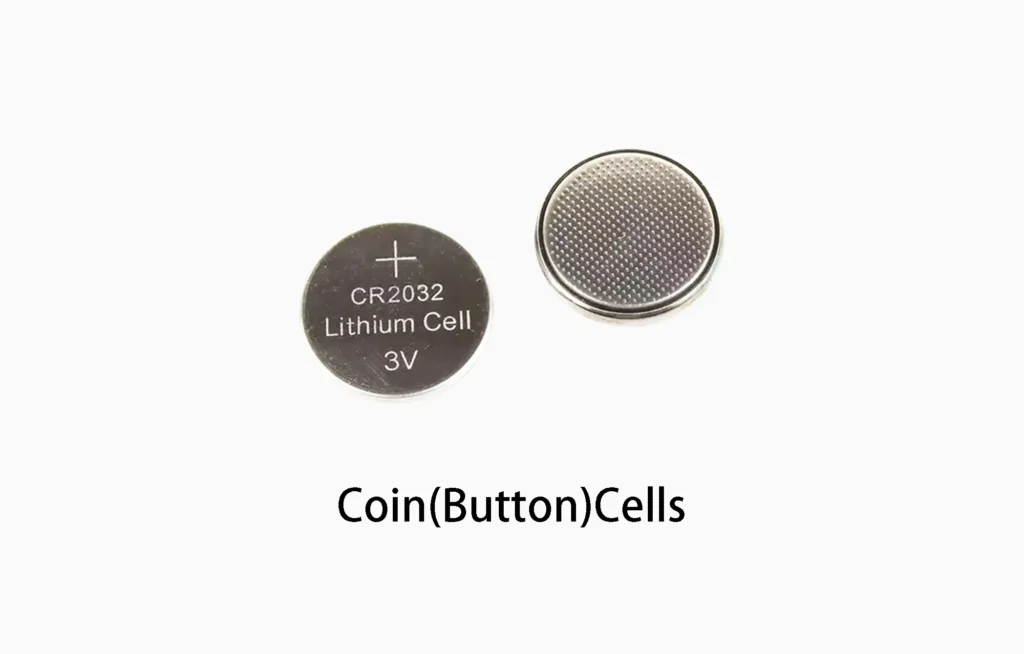
1. Coin Cell Batteries (Button Batteries)
Coin cells are thin, flat, and lightweight, typically used in ultra-low-power applications.
Common chemistries include:
- Lithium manganese dioxide (CR series)
- Alkaline
- Silver oxide
Key characteristics:
- Very low current output
- Long shelf life
- Compact and inexpensive
Typical applications:
- RTC modules
- Small sensors
- Memory backup
- Medical implants (low power)
While coin cells are convenient, they quickly reach their limits when devices require wireless connectivity, displays, or motors.
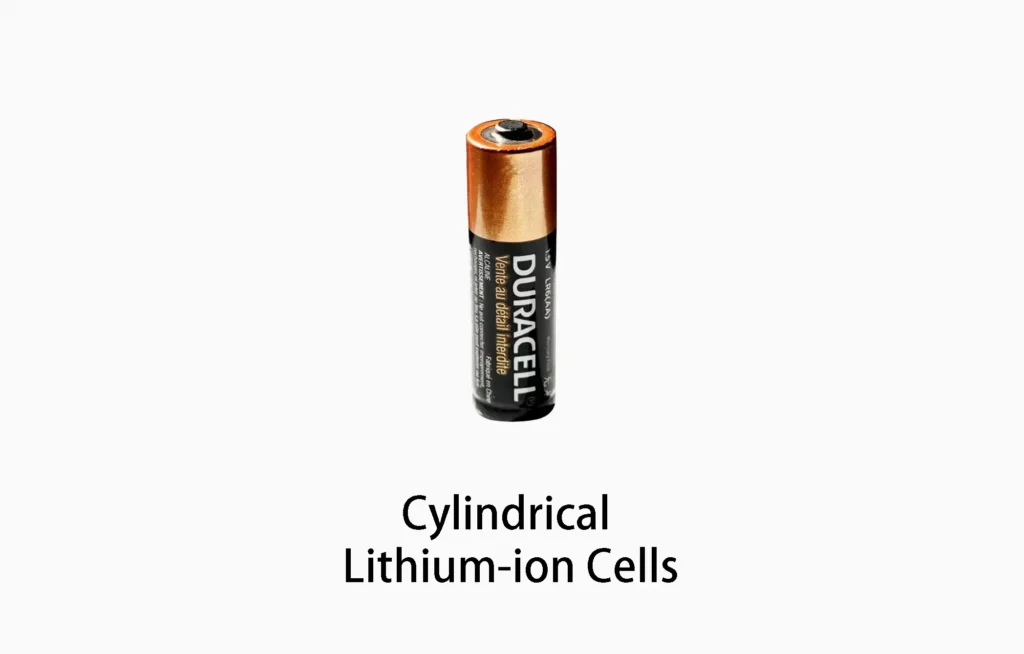
2. Cylindrical Batteries
Cylindrical batteries are perhaps the most recognizable round batteries, including formats like AA, AAA, 18650, and 21700.
Advantages:
- High energy density
- Excellent thermal stability
- Mature supply chain
Limitations:
- Fixed dimensions
- Rigid metal casing
- Inefficient space usage in thin or curved designs
They are widely used in power tools, e-mobility, and energy storage—but less ideal for compact or ergonomically designed consumer products.
3. Round Lithium Polymer (LiPo) Batteries
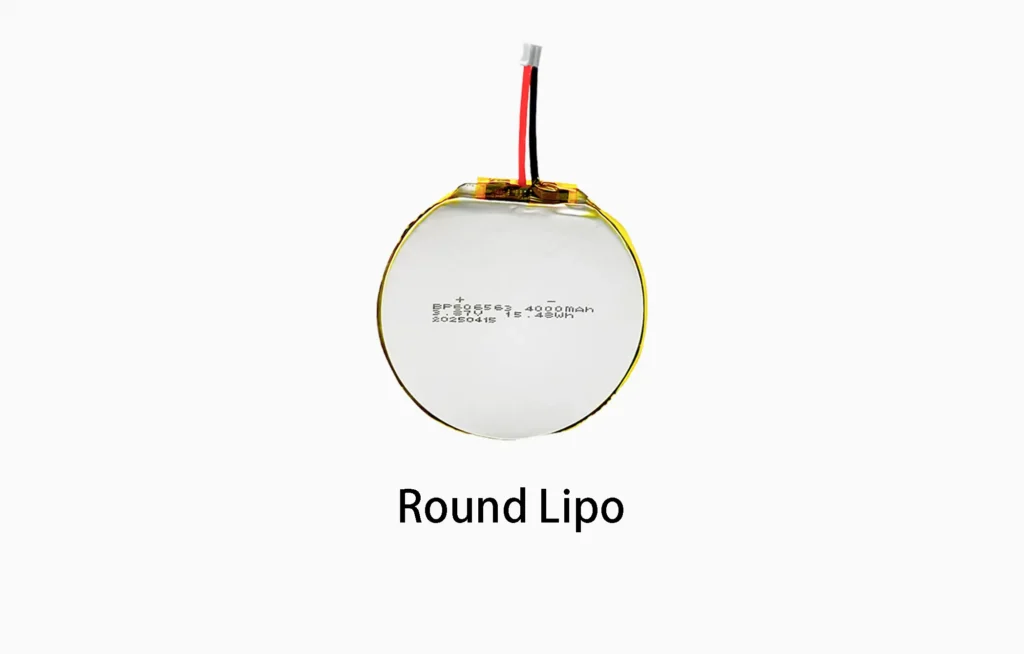
This is where things get interesting.
Round LiPo batteries combine the flexibility of lithium polymer chemistry with circular or semi-circular geometries. Unlike rigid cylindrical cells, they can be engineered to fit non-standard round enclosures.
Key benefits:
- Custom diameter and thickness
- Higher discharge rates than coin cells
- Lightweight and compact
- Better space utilization
These batteries are increasingly chosen for products where design freedom and performance must coexist.
Standard Sizes vs. Custom Round Batteries
Many engineers start with standard sizes—and for good reason. Standardization reduces cost and speeds up prototyping. However, as products mature, standard sizes often become bottlenecks.
Standard Round Battery Sizes
Examples include:
- CR2032, CR2450 (coin cells)
- AA, AAA
- 18650, 21700
These sizes are easy to source but impose design constraints.
Why Custom Round Batteries Exist
Custom round batteries address problems such as:
- Wasted internal space
- Insufficient capacity
- Inadequate discharge performance
- Mechanical conflicts with PCB or housing
A custom solution allows control over:
- Diameter and thickness
- Capacity and voltage
- Discharge rate
- Connector orientation
- Protection circuit integration
For B2B products, this often translates into better performance without changing the industrial design.
Key Applications of Round Batteries
1. Wearable Electronics
Wearables demand batteries that are:
- Thin
- Lightweight
- Ergonomically compatible
Round LiPo batteries fit naturally into smart rings, circular fitness trackers, and medical wearables where rectangular cells feel out of place.
2. Medical Devices
In medical electronics, reliability and form factor matter just as much as capacity.
Round batteries are commonly used in:
- Diagnostic sensors
- Portable monitoring devices
- Implant-adjacent electronics
Customization allows designers to meet strict space and safety requirements.
3. Smart Locks & Security Devices
Smart locks often feature circular housings and rotating components. A round battery aligns naturally with this geometry, simplifying internal layout and improving durability.
4. Industrial IoT & Sensors
Many industrial sensors require:
- Compact design
- Long runtime
- Stable performance across environments
Round batteries, especially customized LiPo solutions, provide a balance between size and energy output.
Design Considerations When Choosing Round Batteries
Selecting the right round battery isn’t just about size.
Key factors include:
- Operating voltage
- Peak current demand
- Charge/discharge cycles
- Temperature range
- Safety and compliance
Ignoring these can lead to overheating, shortened lifespan, or unexpected field failures.
This is where collaboration between product designers, electrical engineers, and battery specialists becomes critical.
Frequently Asked Questions About Round Batteries
What is the difference between coin cells and round LiPo batteries?
Coin cells are primary or low-current secondary batteries, while round LiPo batteries are rechargeable and capable of higher discharge rates, making them suitable for active electronics.
Are round batteries always cylindrical?
No. Round batteries can be flat, disc-shaped, or customized circular geometries depending on application requirements.
Can round batteries be customized for unique housings?
Yes. Custom round LiPo batteries can be designed to match specific diameters, thicknesses, and electrical characteristics.
Are custom round batteries safe?
When designed with proper protection circuits, quality materials, and tested manufacturing processes, custom round batteries meet international safety standards.
When should a company consider custom round battery solutions?
When standard batteries limit performance, increase device size, or force design compromises, customization becomes a strategic advantage.
From Selection to Solution: Moving Forward with Confidence
Understanding round batteries—their types, sizes, and applications—is no longer just a technical exercise. It’s a design decision that influences product performance, usability, and market competitiveness.
For many B2B teams, the turning point comes when they realize that the battery doesn’t have to dictate the design—the design can guide the battery.
At BluePower, we work closely with engineers and product teams to develop custom round LiPo battery solutions that align with real-world constraints, not catalog limitations. From early concept discussions to scalable production, our focus is on helping your product work better, last longer, and fit exactly as intended.
If your next device demands more than a standard round battery can offer, exploring a custom solution may be the most practical next step.
Email: [email protected]
Whatsapp: +86 18938252128
